The ‘Distribution Sequence Gap’ opens at the brief stage: when distribution is not planned before production begins, content framing defaults to broad topics that serve the widest audience, not the specific ICP segments that convert. The result is owned-channel content that often underperforms in syndication. Distribution-first strategy inverts the sequence.
Distribution-first Content Strategy: Why the Sequence You Build Content in Determines the Pipeline It Generates
Content
Nov 2, 2026

In This Article
- Why the Default Sequence Produces Underperforming Content
- The Topic Specificity Problem
- What Distribution-first Strategy Looks like in Practice
- The Content Calendar Is Not a Content Strategy
- The Repurposing Trap
- Integrating Strategy and Distribution at the Brief Stage
- How Machintel Integrates Strategy and Distribution
- FAQs
60-70% of content produced by B2B marketers goes unused (SiriusDecisions). The distribution decision is made after the content is written, after the format is chosen, and often after the piece is published. The sequence is: strategy, creation, publication, distribution.
This is the ‘Distribution Sequence Gap’. It is not a resource problem or a planning oversight. It is the default workflow in many B2B content programs, and it structurally limits what the content can do for pipeline.
The fix is not a better content calendar. It is a different sequence: distribution first, then strategy, then creation.
Why the Default Sequence Produces Underperforming Content
The standard B2B content workflow starts with audience personas, topic ideation, and editorial planning. A content brief is written. The piece is created in a format suited to the brand’s owned channels. It is published to the blog, promoted to the email list, shared on the company LinkedIn page.
At some point, the team asks if the content can be syndicated. The answer is often that the piece is too long, too brand-specific, too dependent on context built across other owned-channel content, or too broadly framed to perform against the specific audience targeting syndication networks use.
Syndication audiences are defined by job function, seniority, company size, industry, and technology stack. A content piece that performs well for a general B2B audience does not necessarily perform for an audience segment defined by four or five firmographic filters. The content that reaches a Director of Demand Generation at a 500-person SaaS company needs to speak to specific problems that role has at that company size, not general problems the broader marketing population faces.
Content created for owned channels is built for a different audience definition. Repurposing it for syndication often requires significant rework, and even after rework, the framing is often not specific enough to generate the engagement rates that signal strong ICP match.
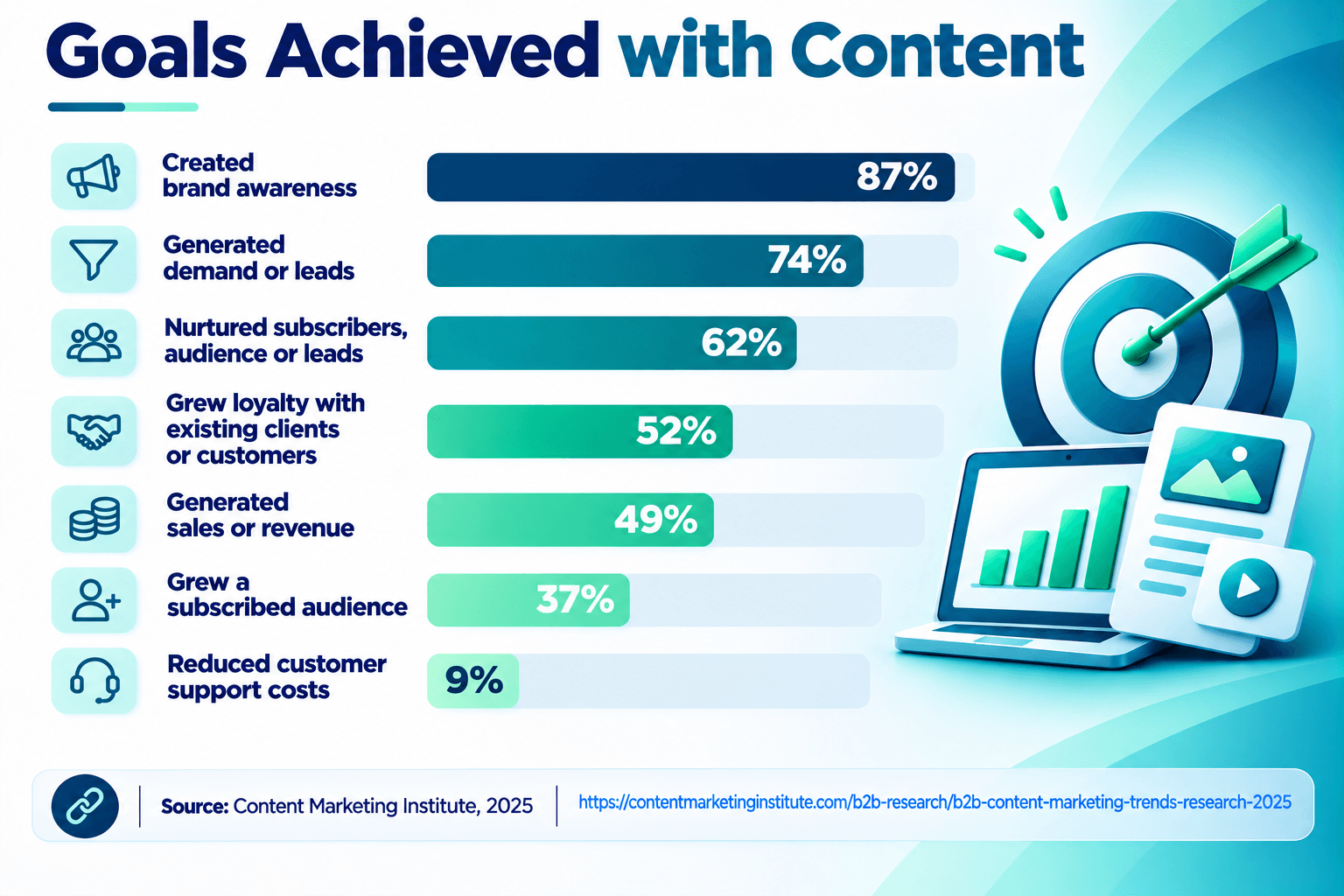
Watching well-made content underperform beyond your own channels leaves any content team wondering what went wrong. Machintel helps B2B demand generation teams start from the audience and the channel, and write for them from the first draft. The content then holds up in front of the readers it was built for.
The Topic Specificity Problem
A key performance variable in content syndication is topic specificity, not just content quality in the conventional sense.
Generic topic: “How to improve your content marketing ROI.”
Specific topic: “Why B2B content programs spending 70%+ of budget on production generate flat pipeline contribution, and what the budget reallocation that changes that looks like.”
Both pieces could be well-written. The second piece reaches a specific audience with a specific problem. The first reaches a broad audience with a general interest. In syndication, where audience targeting defines who sees the content, topic specificity determines how well the piece resonates with the audience it reaches.
Content programs built with distribution-first strategy tend to outperform production-first programs on syndication engagement rates, content-influenced pipeline attribution, and ICP contact quality. The difference is not production quality. It is topic framing and the sequence in which framing decisions are made.
Behavioral Cluster Intent data makes it possible to identify the specific topics buying committee members at target accounts are actively researching, allowing content briefs to be built around what the target audience is already looking for rather than what the content team estimates they should want.
What Distribution-first Strategy Looks like in Practice
The distribution-first sequence reverses the standard workflow. Before a content brief is written, three questions come first:
Who specifically is this content for? Not a persona. A defined audience segment: job function, seniority, company size range, industry vertical, and if possible the technology stack context that defines the problem they have. A piece for a VP of Marketing at a 200-person B2B SaaS company faces a different budget constraint and team composition than a VP of Marketing at a 2,000-person enterprise. Both are marketing leaders. They have different problems.
Where will this content be distributed? The channel selection determines the format. Content for LinkedIn Sponsored distribution needs to work in a feed context, where readers are browsing rather than researching. Content for third-party publisher syndication needs to work in an editorial context, where readers are actively consuming category-specific material. Content for intent-triggered delivery needs to match the specific research stage of the accounts receiving it. The distribution channel defines what the content needs to do, and therefore how it should be built.
What specific problem does this solve for that audience, at this channel? The topic specificity decision happens here, before the brief is written. The answer to this question determines the framing, the depth of treatment, the structure, and the call to action. A piece framed for early-stage awareness at a syndication publisher needs a different structure than a piece framed for mid-funnel consideration at an account showing active buying committee research signals.
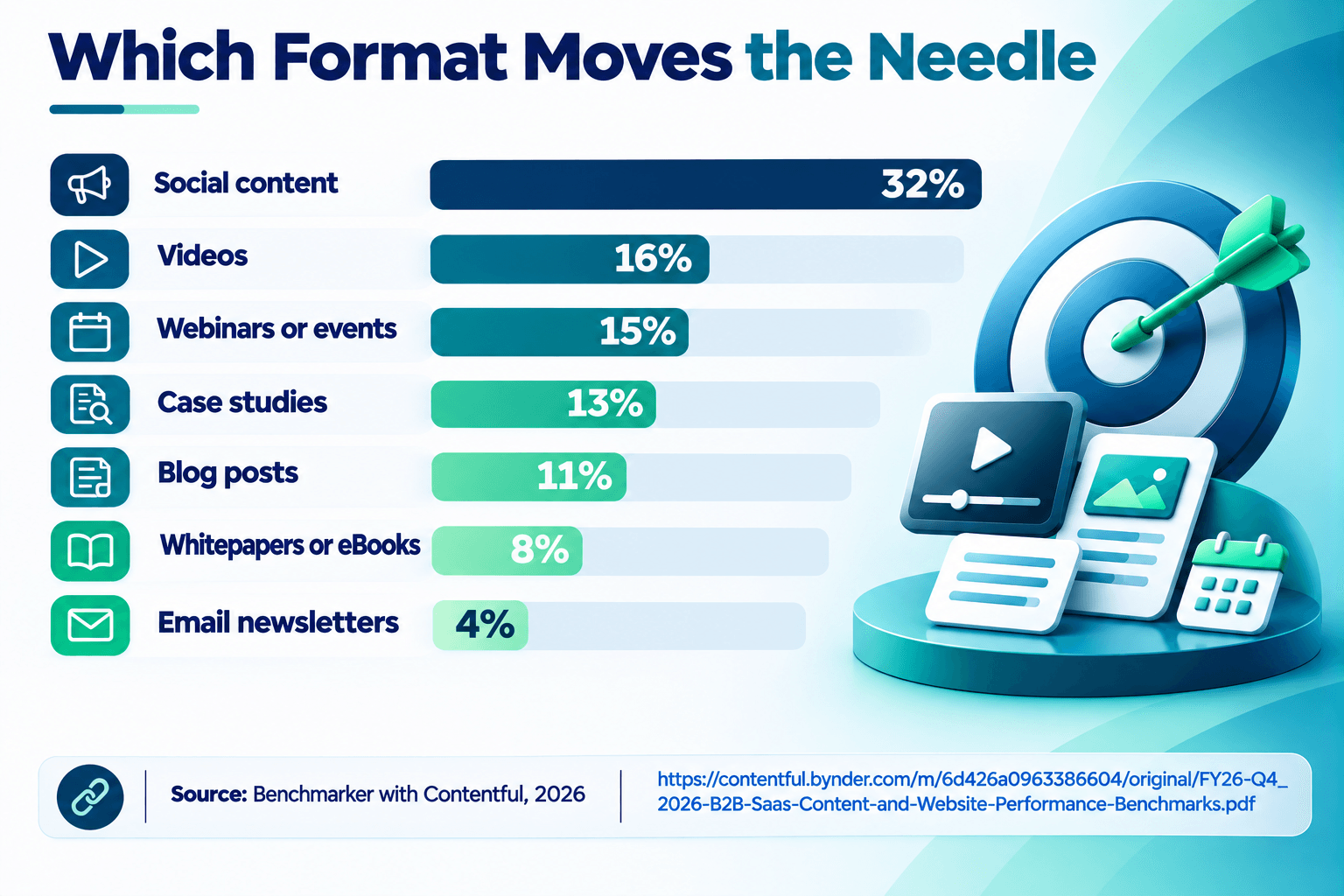
Only after these three questions are answered does the content brief get written.
The Content Calendar Is Not a Content Strategy
Many B2B content teams have a content calendar. Fewer have a distribution-first content strategy. The distinction matters for pipeline contribution.
A content calendar is a production schedule. It answers: what gets published, when, and by whom. It does not answer: who is this for, where will they encounter it, and what specific problem does it address for that person in that context.
A content strategy built on the distribution-first framework answers the second set of questions before the first. The calendar is a downstream output of the strategy, not a substitute for it.
Programs that generate measurable pipeline contribution from content tend to operate from a strategy that defines audience, channel, and problem specificity before production begins. The calendar fills in after the strategic decisions are locked. The production volume stays the same. The framing and distribution planning changes. The pipeline contribution changes accordingly.
The Repurposing Trap
One of the most common distribution inefficiencies in B2B content programs is the assumption that owned-channel content can be repurposed for syndication without reformatting.
Blog posts can be submitted to syndication networks. The submission process is simple. The performance of broadly framed, owned-channel content in a syndication context is often poor. This is especially true of content not built with a specific syndication audience in mind.
The underlying problem is that syndication audiences are qualified. They have been filtered by job function, seniority, company size, and industry. The content reaching them needs to be specific enough to be relevant to that filtered audience. Generic B2B content, built for the widest possible owned-channel readership, reaches a filtered audience and lands below their specificity threshold.
The distribution-first framework avoids the repurposing trap by building content for the distribution channel from the start. A piece built for a syndication audience of Director-level demand generation professionals at 200-1,000-person SaaS companies is built with that audience’s specific problems and framing in mind. It does not need to be repurposed. It is already built for the channel.
Integrating Strategy and Distribution at the Brief Stage
The practical change the distribution-first framework requires is at the content brief stage. The brief needs to include distribution fields alongside editorial fields.
Standard brief fields: Title, target keyword, audience persona, word count, format, author, deadline.
Distribution-first brief fields: Title, target keyword, specific audience segment (job function, seniority, company size, industry), primary distribution channel, secondary distribution channels, problem specificity statement (the exact problem this piece addresses for this audience in this channel), and ICP account alignment (which accounts on the target list does this content reach, and at what research stage).
Adding distribution fields to the brief should not add much time to writing it. It does significantly change what the content team produces, because the distribution context is visible at the moment the brief is written rather than after the piece is created.
Programs that make this brief-level change tend to see less content rework for distribution, better syndication engagement rates, and a shorter time between content production and distribution deployment. The distribution plan does not need to be built after the content is created. It was built into the brief.
How Machintel Integrates Strategy and Distribution
Machintel designs content programs with distribution mechanics defined at the campaign strategy stage. The audience definition, channel selection, and topic specificity decisions are made before content briefs are written, using ICP account data, audience insights, and intent signal data to inform what the target audience is actively researching.
The result: content created for Machintel syndication programs tends to perform at higher engagement rates than repurposed owned-channel content, because it was built for the syndication audience from the first draft.
The ‘Distribution Sequence Gap’ is a sequencing problem. The programs that close it tend to find that the same production budget generates more pipeline contribution, not because the content quality changed, but because the distribution mechanics were built in from the start rather than added after the fact. The content that reaches a larger share of the ICP target account list is not better content. It is content that was built for the channels that reach those accounts, with framing designed for the audience those channels filter for.
The distribution-first brief produces a different type of content, not just better-distributed content. When the brief begins with the specific audience segment, the distribution channel, and the problem that audience is actively researching, the content that results is narrower, more specific, and more directly useful to the reader it is designed to reach.
Broad topic content, produced for owned channels and then distributed, tends to address the problem at the category level.
Want to see what a distribution-first content brief looks like? Talk to our team or explore our content syndication services.
FAQs
What is the ‘Distribution Sequence Gap’?
The ‘Distribution Sequence Gap’ is the default content workflow in which distribution is decided after the content is written, after the format is chosen, and often after the piece is published. Framing then defaults to broad topics instead of specific ICP segments.
Why does owned-channel content often underperform in syndication?
Syndication audiences are filtered by job function, seniority, company size, industry, and technology stack. Broadly framed content built for owned channels often lands below the specificity those audiences need.
What changes at the brief stage in a distribution-first approach?
The brief adds distribution fields beside the editorial ones: the specific audience segment, the primary and secondary distribution channels, a problem specificity statement, and ICP account alignment.