Ever wonder why some companies generate leads in their sleep while others still rely on manual follow-ups? The secret might be in how they use their chatbot. With smarter setup and better data, your chatbot can qualify leads, personalize responses, and book meetings—without human intervention. Scroll on to discover how you can upgrade yours.
Goodbye Waiting Time: How Chatbots Drive Instant B2B Engagement
May 16, 2025
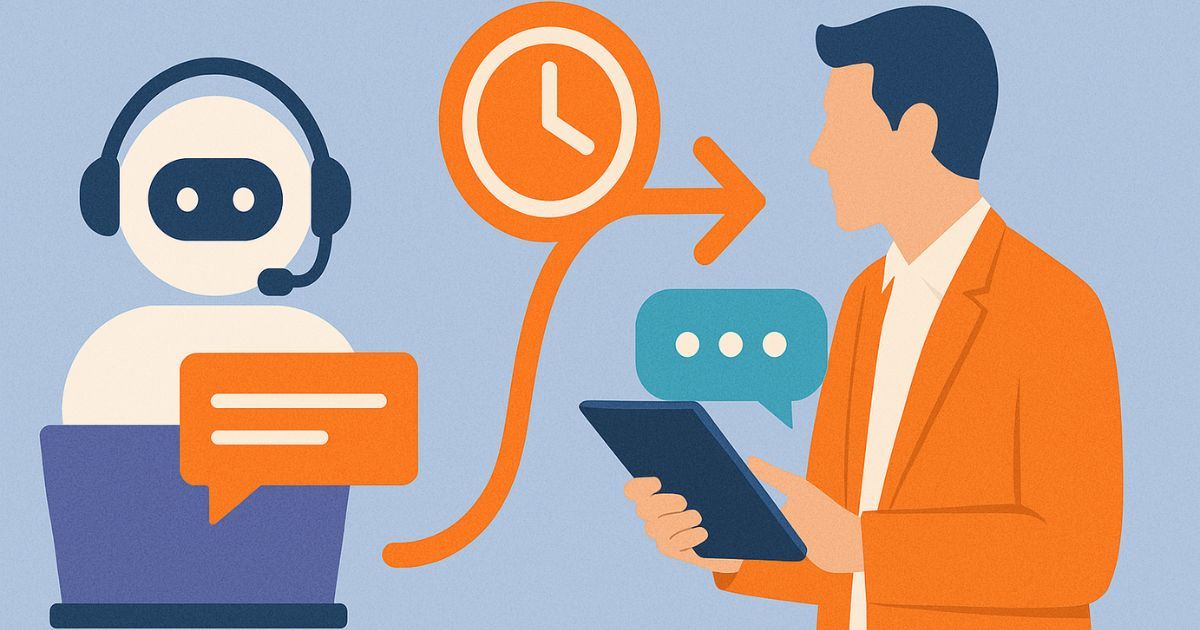
Role of Chatbots in Modern B2B Support
serve your clients. These AI-powered assistants help you respond faster, stay available 24/7, and reduce repetitive tasks. Instead of making your team answer the same questions repeatedly, chatbots can take care of routine queries, giving your support agents more time to focus on complex issues that need human attention.
When you use chatbots, your customers get immediate answers and consistent service. Chatbots can also personalize interactions by using customer data to tailor responses, which builds stronger relationships and shows that your business understands client needs.
As your company grows, chatbots scale with you. They handle multiple conversations at once without compromising on quality, making them more cost-efficient than hiring additional support staff. Besides, they collect data from every interaction. You can use this data to spot common issues, understand customer behavior, and make smarter decisions about improving your service.
Chatbots are worth serious consideration if you’re looking for a way to make your support more efficient, responsive, and customer-focused. They’re not just a tech trend but a practical tool to help you deliver better service and keep your customers happy.
Chatbot Advantages That Matter for Your B2B Company
Chatbots transform how B2B companies handle customer support, lead generation, and internal operations. They streamline communication, reduce manual workload, and help you make smarter decisions based on data.
Here are some advantages of using chatbots in a B2B setting:
Faster Customer Support
Chatbots speed up response times by instantly handling common customer questions, reducing the need for live agent involvement. They operate 24/7, which is ideal for serving customers across time zones and outside standard business hours. Chatbots deflect tickets away from support teams by resolving routine issues independently, freeing agents to focus on more complex, high-value problems—this combination of always-on availability and automation results in faster service and less customer frustration.
Smarter Data Collection
Every interaction with a chatbot generates valuable data about customer behavior, preferences, and pain points. You can analyze this information to improve products, messaging, and support strategies. Chatbots also capture real-time feedback after purchases or support sessions, helping you track customer satisfaction and identify gaps. During lead conversations, they can gather qualifying information—like company size, role, or intent—so your sales team knows exactly who to prioritize and how to approach them.
Better Customer Understanding
Chatbots deliver more relevant experiences by personalizing conversations by pulling from past interactions and customer history. They can communicate in multiple languages, allowing you to support a global customer base without building regional teams. With AI-driven memory and context awareness, bots avoid repeating questions or resetting conversations, creating a smoother experience that feels more natural and less robotic.
Improved Lead Generation
By greeting site visitors immediately, chatbots reduce bounce rates and increase the chance of capturing interest before it fades. They qualify leads in real time by asking the right questions and passing only the most promising ones to your sales team. Bots also handle follow-ups automatically, checking in with leads after a conversation or sending reminders, keeping your pipeline warm without manual effort. This makes them a strong tool for B2B lead generation.
Operational Efficiency
Chatbots help your team do more with less by taking on repetitive, time-consuming tasks. Even with limited staff, companies can handle high volumes of inquiries, from answering FAQs to booking appointments. Bots can also support other internal processes, like onboarding or product tutorials. This reduces workload, reduces the need for additional hires, and allows your team to focus on strategic work that drives business results.
Increased Conversion Rates
Chatbots improve conversions by engaging users before they leave your site and guiding them to the next step, whether that’s a sign-up, demo, or purchase. They suggest relevant products or upgrades based on browsing behavior, which can increase order value. Instead of just reading static content, users interact with tools like calculators, demos, or interactive guides—all within a chat—making the experience more engaging and persuasive.
Practical Applications of Chatbots in B2B Customer Support
Chatbots are reshaping B2B customer support by handling routine tasks, improving response times, and reducing agent workload. They deliver faster, more consistent help while giving support teams room to focus on complex issues.
Here’s how B2B support teams are using chatbots effectively:
Instant Answers from Internal Resources
Chatbots can quickly retrieve information from internal knowledge bases, product documentation, and FAQs. They provide customers with immediate, accurate responses to common questions without waiting for a support agent. This improves response times and allows human agents to focus on more complex issues.
Smarter Ticket Handling
Chatbots can automate ticket creation and routing by understanding a customer’s problem and collecting relevant details during the interaction. They then assign the ticket to the correct team or agent, reducing manual triage work and improving overall support efficiency.
Proactive Outreach
Chatbots can start conversations based on user behavior instead of waiting for customers to initiate contact. For example, a chatbot might engage users who have spent a long time on a product page or abandoned a form. This approach helps capture leads, answer questions in context, and offer timely suggestions.
Self-service Made Simple
Chatbots help customers solve common issues independently by offering clear guidance, links to help articles, and product suggestions. This reduces the volume of repetitive queries agents need to handle and improves customer satisfaction by giving users quick, actionable solutions.
Real-time Order Updates
Customers can use chatbots to check the status of their orders, deliveries, or service requests. By entering an order number or other identifier, they receive real-time updates pulled directly from internal systems. This reduces pressure on support teams and improves the overall customer experience.
Available Across Channels
Businesses can deploy chatbots across websites, mobile apps, messaging platforms, and social media to offer support wherever customers prefer to engage. Chatbots maintain a consistent experience across all channels and can seamlessly escalate conversations to human agents when needed.
Valid Data with Every Interaction
Each chatbot conversation generates valuable data about customer preferences, common issues, and engagement trends. This information helps support teams identify areas for improvement, streamline operations, and make better-informed decisions to enhance the support experience.
Make Your Chatbot Work Harder for B2B Leads
Your chatbot should do more than answer basic questions—it should actively help you capture and qualify leads. When used correctly, it becomes part of your sales process: engaging visitors, identifying intent, and connecting them to your team. It works around the clock, giving buyers what they need without waiting. You need to set it up with lead generation in mind to get real value from it.
Here are the steps to turn your chatbot into a lead-gen engine:
- Trigger chat when visitors show clear interest (time on page, scroll depth) so you engage at the right moment
- Hand off to a live rep at the right time, using visitor context to keep the conversation relevant
- Reply instantly after key actions (form fill, ebook download) to meet prospects when they expect a quick answer
- Pull visitor data (name, past pages, return visits) into chat to tailor your messages
Offer a direct link to sales or meeting scheduling inside chat to fast-track high-intent buyers - Use past engagement and exit signals to reignite stalled conversations and guide prospects forward
- Train your reps to chat naturally, juggle multiple threads, and use chat logs to sharpen their approach
- Connect chat with your CRM and marketing tools so every conversation feeds into lead scoring and follow-up
This kind of setup makes a chatbot a core part of your B2B marketing strategy.
Getting Your Chatbot Right: What You Need to Think About
If you’re a B2B startup, adding a chatbot to your customer experience can save time and improve support. But for it to work well, you need to be clear about why you’re using one and how it fits into your customer interactions. The goal isn’t to replace your team—it’s to make your customer support smarter and faster.
Let’s look at what you should consider before launching your chatbot:
Set Clear Goals First
- Define what tasks your chatbot will handle (e.g., lead capture, FAQs, booking)
- Ask yourself how it will help your team or improve the customer experience
- Be specific—vague goals lead to weak performance
Pick the Right Platform
- Compare chatbot tools using platforms like G2, Capterra, or TrustRadius
- Look for features like integrations, ease of use, and reporting options
- Match the platform to your team’s technical skills and budget
Test Before You Go Live
- Run real customer scenarios to test responses
- Check how the bot handles edge cases or confusion
- Fix gaps before your customers find them
Track and Improve Regularly
- Monitor performance using usage data and feedback
- Review conversations to spot missed opportunities or repeated issues
- Keep updating the chatbot based on real user behaviour
Boost Chatbot Performance with Machintel's Data Solutions
Are you struggling with fragmented, outdated, or incomplete customer data holding back your chatbot performance and marketing campaigns? If you’re using B2B chatbots to engage potential clients, accurate and enriched data is essential for delivering meaningful, personalized conversations, and that’s where Machintel comes in.
Machintel helps refine, enrich, and unify customer data into one high-quality, reliable source. Combining your existing data with fresh insights and ensuring everything works seamlessly across your platforms gives you a clear, complete picture of your customers. This enables your chatbot to respond with more relevance, your targeting to become sharper, and your overall marketing efforts to drive better results.
Whether dealing with inaccurate profiles, incomplete firmographics, or disconnected systems, Machintel’s Data Enrichment solution gives you the tools to fix these issues and unlock more thoughtful engagement. We help you build rich, actionable customer profiles that power intelligent chatbot interactions and drive sustainable growth.
Ready to see how much more your data can do for you? Connect with Machintel to transform your B2B chatbot strategy.
FAQs
What is a B2B chatbot?
A B2B chatbot is a conversational tool businesses use to interact with other companies. It automates tasks like lead generation, client onboarding, and support. These bots streamline communication, reduce manual work, and improve response times.
How is a B2B chatbot different from a B2C chatbot?
B2B chatbots handle longer, more complex interactions with fewer users. They support multi-step decision-making and integrate with enterprise tools. B2C bots usually focus on high-volume, fast-response customer service for individual users.
Can a chatbot integrate with my CRM?
Yes, most B2B chatbot platforms offer native or custom integrations with CRMs like Salesforce, HubSpot, and Zoho. This allows real-time syncing of leads, contact details, and conversation history. It keeps your sales team informed and workflows aligned.
How do chatbots help in B2B sales?
Chatbots can greet visitors, collect contact info, qualify leads, and book meetings. They also answer product questions instantly, helping keep potential buyers engaged. This shortens your sales cycle and reduces drop-offs.
Are chatbot conversations secure?
Chatbot security depends on the provider. Look for features like end-to-end encryption, GDPR/CCPA compliance, and role-based access. For sensitive data, ensure conversations are logged securely and can be audited.
What kind of analytics do B2B chatbots offer?
Most platforms provide analytics on conversations, user behavior, drop-off points, and conversion rates. You can track which messages perform best, where users get stuck, and what leads to qualified actions. This helps improve bot performance over time.
How do I train a chatbot?
Training involves uploading FAQs, documentation, and example conversations. NLP models improve as you tag honest conversations and correct responses. Regular tuning based on usage data and feedback helps the bot stay accurate.
What industries use B2B chatbots most?
Tech, SaaS, logistics, manufacturing, and financial services use chatbots to automate customer and partner interactions. They’re especially common in industries with high lead volume or complex product support.
Can chatbots book meetings?
Yes. Chatbots integrate with calendars like Google Calendar or Microsoft Outlook. After qualifying a lead, they offer time slots and book meetings automatically, eliminating back-and-forth scheduling.
How do I measure chatbot ROI?
Measure time saved, leads generated, cost per lead, and support ticket reduction. Compare pre- and post-chatbot metrics for sales or support. A well-implemented bot often pays itself by cutting manual work and increasing conversions.
Do chatbots replace human agents?
No, they complement your team. Bots handle repetitive or simple queries, freeing humans for complex conversations. They can also gather context so agents start with more information, reducing resolution time.
Can a chatbot personalize responses?
Chatbots can access user data from CRMs or cookies to personalize messages. They can greet users by name, reference past interactions, or tailor suggestions. Personalization boosts engagement and trust.