Ready to stop feeding a funnel that never converts? Embrace the demand creation vs demand capture mindset and launch a demand creation strategy B2B in 90 days. Scroll down for the playbook.
The 90-day Demand Creation Strategy B2B Teams Actually Need Now
Demand
May 18, 2026

Your team produced 4,200 MQLs last quarter. Sales closed 11 of them.
If that ratio looks familiar, you are not alone. And if your first instinct is to blame sales for not following up, or to pump more leads through the same funnel, this blog is not going to tell you what you want to hear.
It is going to tell you what works.
Forrester research shows that fewer than 1% of B2B leads ever convert to customers. That is not a rounding error. That is 99% waste baked into the system.
That is not a conversion problem. That is a strategy problem. The demand gen strategy most B2B teams run today was built for a buyer who no longer exists, one who fills out forms, waits for SDR calls, and follows a linear funnel. That buyer vanished years ago.
The B2B demand generation playbook needs a rewrite. Not a tweak, not a rebrand of your MQL targets, but a fundamental shift from lead capture to demand creation. And you can start that shift in 90 days.
The Real Cost of Running a Lead Capture Operation
Here is what a typical demand gen vs lead gen confusion looks like in practice:
- Marketing spends 60% of budget on gated content and paid media to fill the top of funnel
- MQLs get tossed to SDRs who make 8 attempts before moving to the next name
- Sales reports that lead quality is poor, and most contacts say they were ‘just downloading a PDF’
- Finance asks why cost per lead keeps rising while pipeline generation strategy keeps stalling
- The cycle repeats next quarter with the same playbook and a 5% bigger budget
Gartner research shows that B2B buyers spend only 17% of their total buying time meeting with potential suppliers. The other 83% happens without you, in dark funnel channels where your gated PDF never shows up.
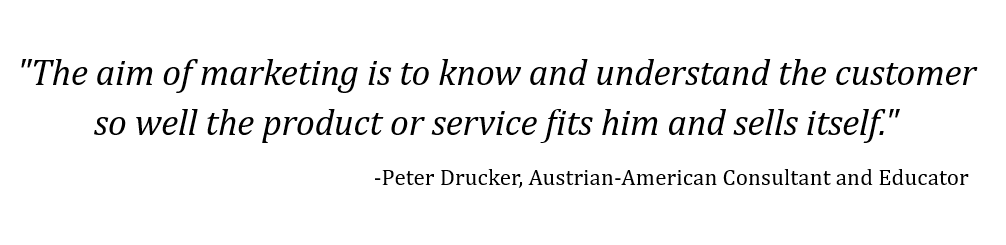
Lead capture assumes the buyer is ready to be known. Demand creation builds the conditions where they choose to know you. That is the core demand creation vs demand capture distinction, and it changes everything about how you allocate budget, measure success, and structure your team.
The 90-day Demand Creation Shift, Phase by Phase
This is not a theory exercise. It is a quarter-length execution plan built for marketing teams that already have campaigns running, budgets allocated, and sales teams expecting pipeline. You do not stop everything on Day 1. You redirect it.
Days 1-30: Audit, Realign, and Close the Gaps
The first month is about diagnosing what is broken and making targeted cuts. Not a reorg. Not a new tech stack. Just precision.
Run a Pipeline Source Audit
- Pull every closed-won deal from the past 12 months
- Tag each by first-touch and multi-touch attribution
- Identify which channels actually produce revenue, not just MQLs
Most teams find that 70-80% of their MQLs come from sources that generate less than 10% of revenue. That is where your budget is leaking. Running this audit across fragmented data sources is one of the hardest parts. When your data sits in silos, like most teams tell us it does, you cannot see the full customer picture. This is where layering signal-based marketing data with your CRM becomes critical. Intent signals and behavioral data reveal which accounts are actually in-market and which MQLs were just noise, giving your audit the accuracy it needs to make the right cuts.
Most demand gen fails because too many vendors touch too many parts of the process, and no one takes full accountability. Machintel’s demand generation approach brings campaign strategy, execution, and lead qualification under one roof, so the audit does not just diagnose the problem, it becomes the starting point for fixing it.
Redefine What Counts as a Qualified Lead
Kill the MQL as your primary metric. Replace it with something tied to buyer behavior, not form fills:
- Pipeline-qualified Leads (PQLs): Contacts showing buying signals like repeat site visits, content binge patterns, and pricing page engagement.
- Sales-accepted Leads (SALs): Contacts that sales confirms are worth pursuing based on account fit and intent data.
A 6sense Buyer Experience Report found that 81% of B2B buyers already have a preferred vendor at the time of first contact, and 85% have established purchase requirements before reaching out. Your lead scoring model needs to reflect that reality instead of fighting it.
Audit Your Content Gates
Every piece of gated content should answer one question: would ungating this generate more pipeline than the leads the gate produces?
In most cases, the answer is yes. Gating content in 2026 kills distribution. Ungating it builds trust, feeds the dark funnel, and gives your brand the one thing lead capture cannot: brand awareness that compounds.
Days 31-60: Build the Demand Creation Engine
Now the strategy shifts from cutting waste to building new infrastructure. This is where demand creation strategy B2B starts to take shape.
Launch an Ungated Content Program Around Buyer Problems
Pick your top 3 ICP pain points. Build content clusters around each. Blog posts, short-form video, LinkedIn carousels, podcast appearances, not PDFs behind forms.
The goal is not to collect emails. The goal is to become the brand your buyer already trusts before they start evaluating vendors. This is where content marketing and demand creation intersect, and it requires distribution infrastructure most internal teams do not have. Industry-specific publications, audience communities, and cross-channel syndication give content the reach it needs to create awareness at scale. Companies with access to niche, owned media networks across their target industries can put content in front of the right decision-makers without relying on paid media alone.
Machintel’s content syndication and campaign execution services help B2B teams distribute ungated content across targeted industry channels, connecting it directly to demand generation programs so that brand building and pipeline creation work as one system, not two separate budgets.
LinkedIn’s B2B Institute research with Les Binet and Peter Field found that B2B companies running brand campaigns alongside activation campaigns achieved a 6x higher conversion rate on the activation campaigns. Their research recommends a roughly 50/50 budget split between long-term brand building and short-term sales activation for B2B.
Activate Intent Signals, Not Just Demographics
Demographics tell you who someone is. Intent data for lead generation tells you what they are doing right now. That distinction is the difference between cold outreach and relevant engagement.
- Layer first-party data (your site, product usage, email engagement) with third-party intent signals
- Build signal-based segments: accounts showing research behavior in your category
- Route high-intent accounts to sales with context, not just a name and company
Effective signal layering requires more than just buying an intent data subscription. It requires connecting audience data, behavioral signals, and first-party insights into a unified view. Privacy-safe data enrichment and appending services keep that data accurate and compliant while giving your team the context they need to move from a list of names to an actionable pipeline.
Machintel’s lead generation services focus on delivering leads that meet specific qualification criteria tied to real buyer behavior, not just demographic fit. When lead quality is the bottleneck, the fix starts with how leads are sourced and validated, not just how they are scored after the fact.

In a demand creation model, ‘why you do it’ gets communicated long before anyone fills out a form. That is the pipeline marketing shift, moving from capturing demand that already exists to creating demand where none existed before.
Align Sales and Marketing Around Pipeline, Not Leads
This is where sales and marketing alignment B2B either happens or continues to be a slide in your QBR deck. The fix is structural, not motivational.
- Replace the MQL handoff with a shared pipeline target
- Hold weekly pipeline reviews, not monthly MQL report-outs
- Give sales visibility into which accounts are consuming content and showing intent
Aligned sales and marketing teams are 67% more effective at closing deals and drive 208% more revenue from their marketing efforts, according to research compiled by Marketo and SuperOffice. When marketing is measured on the same number as sales (pipeline and revenue), the incentive to generate low-quality volume disappears overnight.
Days 61-90: Scale What Works, Kill What Does Not
By now, you have early signals. Some content is generating engagement. Some intent-based segments are producing higher-quality conversations with sales. Some old lead capture programs are clearly underperforming against the new model.
This phase is about acceleration and discipline.
Double down on High-performing Demand Creation Channels
- Increase investment in the 2-3 content formats driving the most engagement and brand recall
- Expand ungated content distribution through content syndication, organic social, and industry communities
- Layer in account-based marketing (ABM) for your top-tier target accounts using the intent data from Phase 2
Scaling ABM without a unified system behind it is just lead gen with better targeting. Machintel’s D2C2 framework solves this by integrating content syndication, lead generation, and ABM execution into one coordinated campaign system, so demand creation and lead capture work together instead of competing for budget and attention.
Build Your Measurement System for Demand Creation
The old dashboard had one metric that mattered: MQL count. The new one needs a different set of indicators that reflect how B2B buyers actually buy.
- Pipeline velocity: How fast deals move from first touch to close
- Brand search volume: Are more people searching for you by name? This is the clearest signal of demand creation working
- Content engagement depth: Not page views, but repeat visits, time on site, multi-page sessions from target accounts
- Sales feedback quality: Are conversations getting better? Are prospects arriving more educated and closer to a decision?
- Dark funnel attribution: Add ‘how did you hear about us?’ to your demo request form. The answers will surprise you.
Reallocate Budget from Lead Capture to Demand Creation
This does not mean cutting lead gen entirely. It means shifting the ratio. A common starting point:
- Before: 80% lead capture / 20% brand and demand creation
- After 90 days: 50% demand creation / 30% lead capture / 20% ABM
The lead capture programs that remain should be intent-driven, targeted, and connected to real buying signals, not bulk downloads.
From 4,000 MQLs to 40% More Pipeline: A Practical Example
A mid-market SaaS company selling compliance software to financial services firms was generating roughly 4,000 MQLs per quarter. Their sales team was converting fewer than 2% into opportunities. Pipeline was flat despite a 25% year-over-year increase in marketing spend.
They made three changes over 90 days:
- Month 1: Audited pipeline sources and found that 72% of closed-won deals came from organic search and direct referrals, not paid lead gen. They cut 40% of their paid lead gen spend.
- Month 2: Launched an ungated content series featuring their head of compliance answering the 20 questions every CFO asks before buying compliance software. Published on LinkedIn, their blog, and syndicated through industry-specific publications.
- Month 3: Added intent data layering to their ABM program, focusing only on accounts showing active research signals in their category. Replaced MQL targets with a shared pipeline target between marketing and sales.
Result: MQL volume dropped 55%. Pipeline grew 40%. Average deal size increased 22% because prospects arrived more educated and self-qualified.
The math is simple. Fewer leads, better leads, bigger deals, faster close. That is what demand creation looks like
The Demand Gen Mistakes That Keep CMOs Stuck
If the 90-day shift sounds straightforward, it is worth naming the patterns that prevent it from happening. These are not theoretical risks. They are the reasons most inbound demand generation programs stay broken.
- Measuring marketing on MQL volume instead of pipeline contribution: When marketing gets credit for handing over names, not revenue, the incentive is to generate volume, not quality.
- Treating brand as a vanity investment: Brand is the most underfunded line item in B2B marketing. That is why pipelines are unpredictable. B2B buyers build shortlists before they build RFPs. If your brand is not on the list, your demand gen program is already fighting from behind.
- Running ABM as a campaign instead of a strategy: Sending personalized emails to a target account list is not ABM. Real account-based marketing strategy involves sales, marketing, and customer success aligned around account outcomes, supported by account intelligence and signal data that tells you when and how to engage.
- Ignoring the dark funnel: Podcasts, Slack communities, peer conversations, LinkedIn scrolling, none of this shows up in your attribution model. But it is where 60-70% of the buying decision happens. Your demand creation strategy needs to show up in these channels even if you cannot directly measure every touch.
- Over-relying on third-party data without first-party context: Third-party data is getting worse and more expensive. The companies building first-party audiences today, through owned communities, proprietary publications, and direct subscriber relationships, will own their market tomorrow.
The pattern behind every stalled pipeline is the same: disconnected strategy, fragmented execution, and no single point of accountability. Machintel has managed over 4,000 demand gen campaigns annually for 25 years, built around a simple principle: when campaign strategy, content distribution, lead generation, and ABM run through one integrated partner, the waste disappears.
The Revenue Marketing Mindset Shift
Everything in this playbook comes down to one mental model change: marketing exists to create revenue, not to create leads.
Revenue marketing is not a new department. It is a new operating model. It means:
- Marketing owns pipeline targets, not MQL targets
- Content is measured on pipeline influence, not page views
- Sales and marketing share a single set of KPIs
- Budget allocation follows revenue data, not lead volume data

When demand creation is working, prospects show up to sales calls already educated, already trusting your brand, and already leaning toward a decision. Sales does not need more leads. Sales needs more relevant conversations with buyers who are ready to talk.
That relevance comes from the work you do before anyone fills out a form: the brand awareness you build, the content you distribute without gates, the intent signals you act on, and the audience data you maintain with accuracy and compliance. When those elements connect into a single system, your pipeline generation strategy stops depending on volume and starts depending on precision.
Your 90-day Shift Starts with One Question
Look at your last quarter’s pipeline. How many closed-won deals came from an MQL that filled out a form? And how many came from a buyer who already knew your brand, researched on their own, and reached out when they were ready?
If the second number is bigger, you already have proof that demand creation works. Your job now is to build a system that feeds it intentionally instead of accidentally.
If the first number is bigger, you are running on borrowed time. The B2B buying process has changed. Your demand gen strategy needs to change with it.
The shift from lead capture to demand creation is not optional. It is the difference between a pipeline that grows and one that stalls.
Ninety days. Three phases. One decision to stop doing what is not working and start building what is.
Shifting from lead capture to demand creation is hard to do alone, especially when campaign strategy, content distribution, lead generation, and ABM execution live across multiple vendors. Machintel brings all of it together: 25 years of integrated demand gen execution, a 95% client retention rate, and a track record with brands like Microsoft, Oracle, and Red Hat, built to function as an extension of your marketing team.
No two pipelines are broken the same way. The plan starts with understanding yours. Talk to Machintel to take the first step.
FAQs
What is the difference between lead capture and demand creation?
Lead capture focuses on collecting contact information from buyers who are already searching for a solution, typically through gated content and form fills.
Demand creation builds awareness, trust, and preference with buyers long before they enter a buying cycle, so your brand is already on their shortlist when they are ready to evaluate.
Can a B2B team realistically make this shift in 90 days?
Yes, but the goal is not to overhaul everything at once.
The 90-day framework prioritizes quick wins in the first month (cutting underperforming lead gen spend), builds new demand creation infrastructure in the second, and scales what works in the third, all while keeping existing pipeline commitments intact.
Does shifting to demand creation mean stopping lead generation entirely?
No. Lead generation still plays a role, but it moves from being the primary strategy to a supporting one.
The leads that remain in your program should be intent-driven and tied to real buying signals, not bulk downloads from gated PDFs.
How do you measure demand creation when much of it happens in the dark funnel?
Track leading indicators like branded search volume, direct traffic trends, and content engagement from target accounts. Add a free-text “how did you hear about us” field to demo request forms. The qualitative signals from that single field often reveal more about what is driving the pipeline than any attribution dashboard.
What is the biggest risk of staying with a lead capture-only model?
Rising cost per lead with flat or declining pipeline. When 99% of leads never convert to customers, increasing spend on the same model produces diminishing returns, and your competition, the ones investing in brand and demand creation, starts winning the deals you never even knew were in play.