Many B2B marketing programs are built for MQL volume. When finance asks for pipeline contribution, they can’t show it. I call this the ‘Pipeline Accountability Gap’. It is a design problem, not a measurement problem. ‘Pipeline-First Program Design’ fixes it from the brief stage, so every program produces trackable pipeline instead of a list of contacts.
Pipeline Accountable Marketing B2B: Close the Accountability Gap
Demand
Nov 19, 2026

The budget review goes the same way at many B2B companies: marketing presents the MQL numbers, volume is up, cost per MQL is down, and by lead-centric metrics, the program is working.
Then finance asks one question: how many of those MQLs became revenue?
There is no clean answer, because the programs were never designed to produce one. They were built to generate leads, not to show pipeline contribution. The connection between what marketing spent and what appeared in the revenue forecast does not exist in the data.
That is the ‘Pipeline Accountability Gap’. It is why marketing budgets stay under scrutiny at companies where the programs run correctly by every measure set when they were funded.
What the Pipeline Accountability Gap Is
The ‘Pipeline Accountability Gap’ is the space between what marketing reports and what finance needs to see.
It is not a technology gap. Many B2B marketing stacks have enough data to build pipeline attribution. It is a design gap. The programs were built around the wrong output, and the measurement followed the program design.
When you optimize for form fills, you build targeting to maximize the number of people likely to fill a form. That group is large. It includes contacts at the edge of the ICP who are researching a category, not evaluating a vendor. It includes single contacts at accounts where a 6-10 person buying committee makes the decision. It includes early-stage researchers who may be months away from a buying conversation.
MQL-to-SQL conversion typically falls between 13% and 21% across B2B (LeanData, 2026). That is not a quality problem. It is a design problem. The programs are producing exactly what they were designed to produce. The problem is that form fills are the wrong output to optimize for if pipeline is the goal.
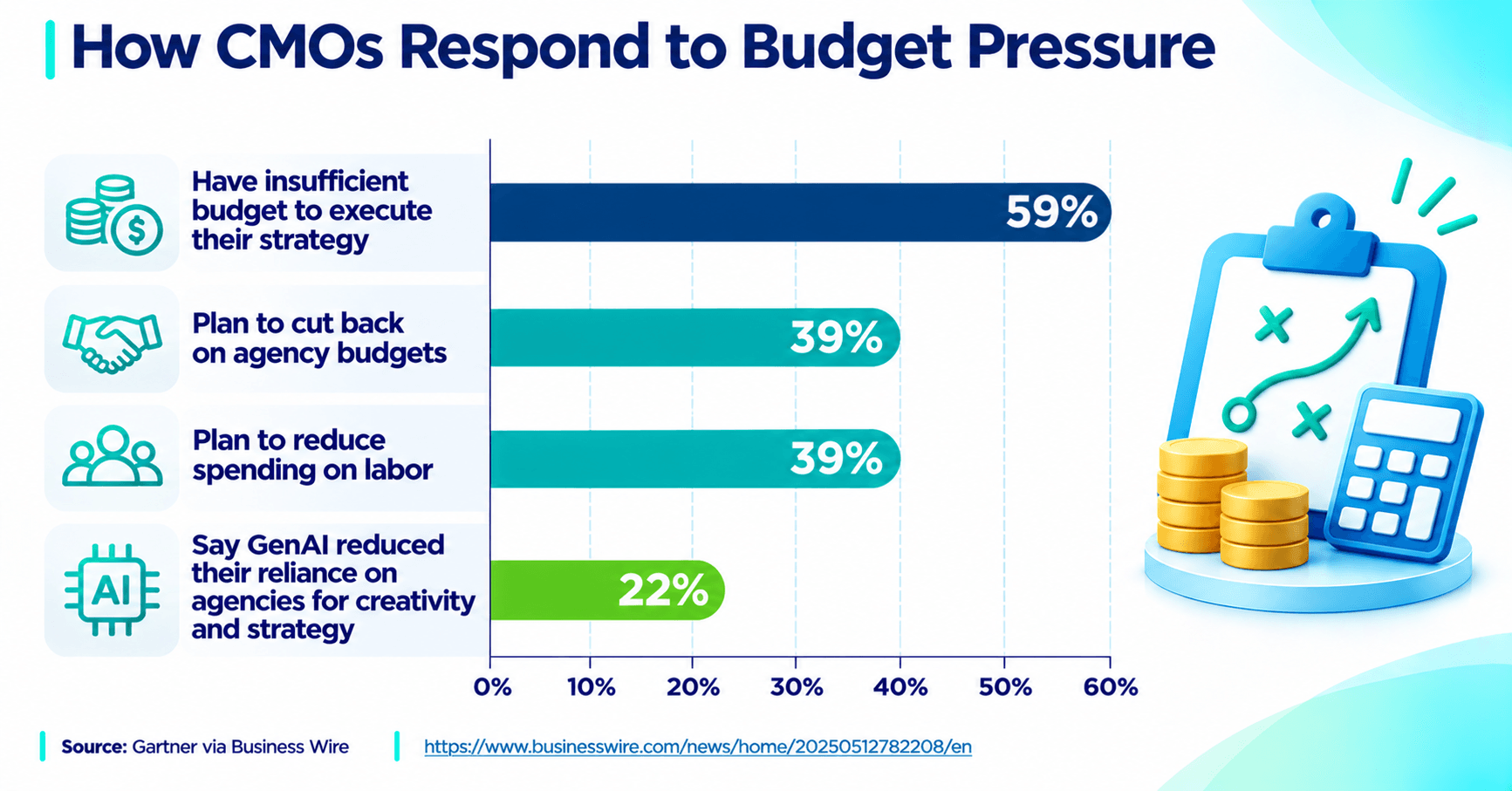
Every lead metric can be moving the right way, and finance can still ask where the pipeline is. Our demand generation team works with B2B marketers on exactly this. We start from the pipeline the business needs and design the program around the accounts that can produce it. That way the program answers finance’s question from the first brief.
Why Retrofitting Attribution Fails
When finance asks for pipeline numbers, the usual response is to add a dashboard. Pull the MQL list, match it against the CRM, count the opportunities that touch the same accounts, and call it pipeline attribution.
I don’t think this works, and the reason is structural. If the programs never tracked at the account level, the account-level data does not exist.
Contact-level program data (who clicked, who filled the form, who was sent to sales) cannot produce account-level pipeline reporting. You don’t know which accounts showed multi-contact engagement within a buying window, because you were tracking contacts, not accounts. You don’t know which accounts moved from research to evaluation, because the program was not designed to measure stage movement.
A reporting layer does not fix this. The measurement model has to be in place before the brief is written. Pipeline accountability is a program design discipline, not a post-campaign analysis discipline.
Pipeline-first Program Design
‘Pipeline-First Program Design’ is the operating model Machintel has built across 4,000+ campaigns annually for marketing teams that need to show pipeline contribution, not lead volume. It has five steps. We apply them in sequence, before any program launches.
Step 1: Pipeline Math in the Brief
Every pipeline-accountable program starts with a revenue target and works backward from it.
The math is simple. It needs four numbers:
- Revenue goal the program needs to contribute
- Average deal size for the target segment
- Close rate from qualified opportunities
- Conversion rate from pipeline-ready account to opportunity
Apply them in sequence. If the program needs to contribute $3M in pipeline this quarter, and average deal size is $150K, the team needs to influence 20 opportunities. At 25% account-to-opportunity conversion, 80 accounts need to reach pipeline-ready status. At a 20% account engagement rate from the program, the scope is 400 target accounts, reached with buying-committee-level coverage.
That last number is the brief input. Not ‘generate 2,000 leads’. Reach 400 target accounts.
This changes every downstream decision. Channel selection, content strategy, targeting criteria, and budget allocation all change when the scope is defined in accounts, not contacts.
Step 2: ICP-first Account Selection
Pipeline probability is the selection criterion for the target account list.
That means choosing accounts where the buying committee is accessible, the company profile matches the ICP, and there are observable signals of category engagement. It does not mean choosing the largest universe of companies that broadly fit the vertical.
A list of 400 accounts selected by pipeline probability is more likely to outperform a list of 4,000 accounts selected by industry and headcount. The resources go to accounts where pipeline contribution is achievable, not to a universe where most accounts have no buying intent.
Intent signals, hiring patterns, and behavioral data help identify which ICP accounts are in, or approaching, an evaluation.
Step 3: Buying Committee Coverage as the Primary Metric
The program metric is not contacts generated. It is accounts with multi-contact engagement across at least two buying committee roles within a 90-day window.
Complex B2B purchases involve 6 to 10 decision-makers (Gartner). A single contact at an account is not a buying signal. It is one data point in a multi-stakeholder process. The program is designed to reach the economic buyer, the champion, and the technical evaluator at the same account, within the same program window.
When this metric drives the design, three things change. Each content asset maps to a specific committee role, not to a general ICP persona. Budget is distributed across the three to four job title clusters that make up the buying committee, not toward whichever title produces the most form fills. And the main report shows accounts with qualifying committee coverage, not total MQL count.
Step 4: Pre-program Sales Alignment
In many demand gen programs, the handoff conversation happens too late. By the time marketing hands a lead list to sales, the program has run, the budget is spent, and both teams are arguing about quality.
The alignment conversation needs to happen before launch. Four questions need answers upfront:
Which accounts is the program targeting? Both teams agree on the list before launch. Sales should confirm the accounts are commercially reachable and that they want to work them.
What buying committee titles need to be reached? Both teams agree on the coverage requirement: which roles at each account make up a qualified committee engagement.
What alert threshold triggers sales outreach? Agree on the pipeline-ready definition before the program starts. Two contacts from different roles at the same account engaging qualifying content within a 60-day window is a threshold some teams use. Sales and marketing should define the criteria together.
What does success look like at 30, 60, and 90 days?
Once these are answered, the handoff is a process step.
Step 5: Stage-progression Reporting
Pipeline accountability shows up in account movement, not contact accumulation.
Target accounts move through four stages: unaware, aware, engaged, and pipeline-ready:
- Unaware: The account is on the target list, but none of its contacts has engaged with the program yet.
- Aware: At least one contact at the account has engaged with program content.
- Engaged: More than one contact has engaged, and the program is building coverage across the buying committee roles.
- Pipeline-ready: The account has met the alert threshold agreed with sales, so outreach can begin.
This is the data that changes the finance conversation.
Our demand generation services put these five steps into practice. If you want to see how they fit your pipeline goals, talk to our sales team.
What Our 4,000+ Annual Campaigns Show
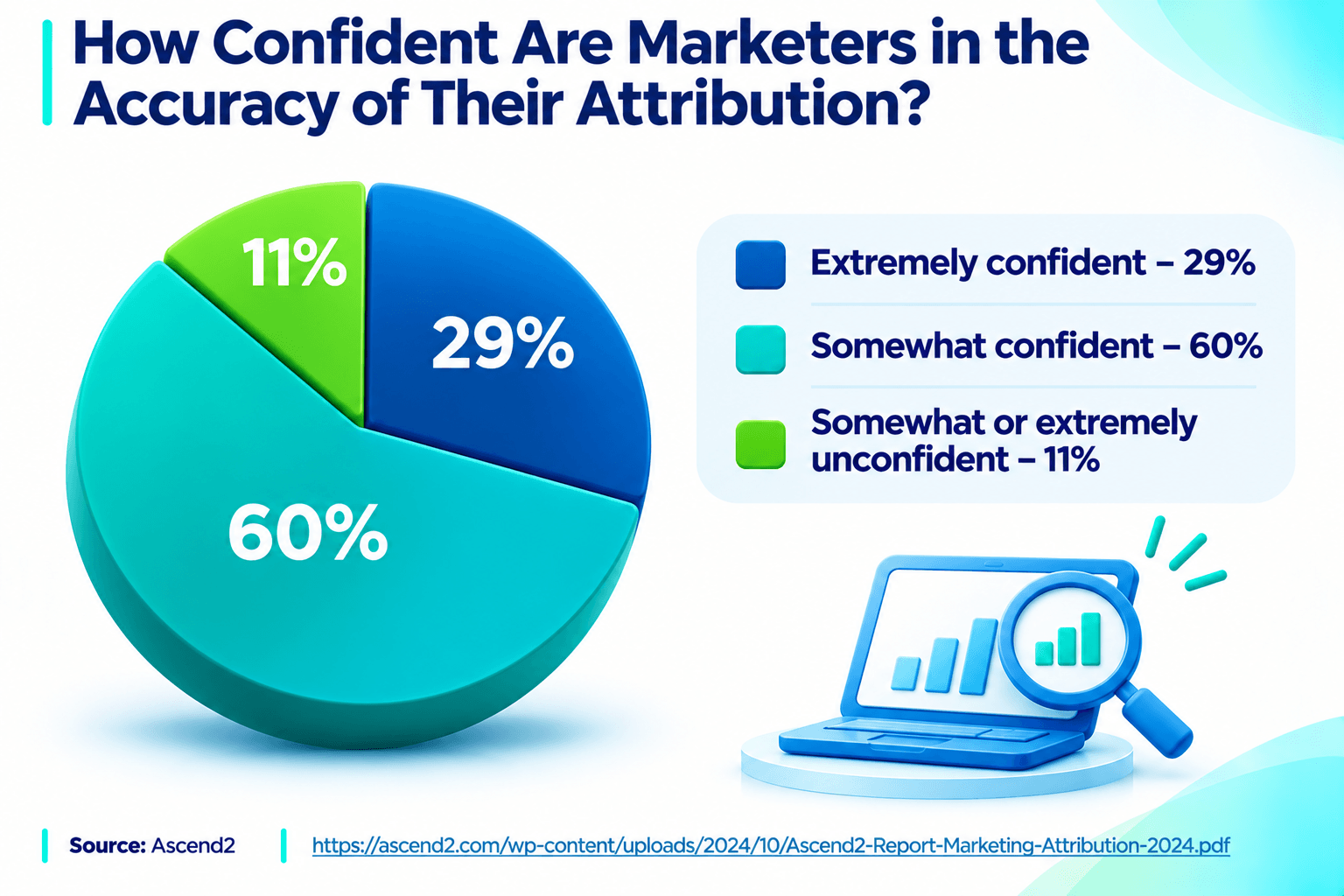
The teams defending MQL volume are not running bad programs.
What I have noticed is how the stronger programs treat accounts that are not yet evaluating. At any given moment, many accounts on a target list are not in market. A program that only chases visible intent reaches them too late, if it reaches them at all.
The stronger programs pair demand capture with demand creation. Accounts that are not evaluating still meet the brand through relevant content, so the buying committee already knows your brand when a buying window opens. This is the thinking behind our Digital Demand Creation and Capture (D2C2) framework. It ties brand building to demand capture instead of treating them as separate budgets.
Pipeline accountability does not replace brand investment. It gives brand investment a place in the account progression, so the awareness built today shows up as stage movement tomorrow.
How to Begin Without Rebuilding Everything
How to Begin Without Rebuilding Everything
Fixing the ‘Pipeline Accountability Gap’ starts with the brief. The pipeline target goes in before the program runs, not after the quarter ends.
Marketing is accountable to pipeline now, and the budget conversation reflects that. Finance doesn’t need a longer report. It needs a forecast it can trust.
You don’t need to rebuild every program at once. I would suggest starting with one program as a pilot. It lowers the risk, and it gives you a side-by-side comparison to take to finance: one program designed for pipeline next to the programs still designed for volume. That comparison makes the case for the design change better than a retrofitted dashboard can.
Want your next program to produce trackable pipeline? Reach out to our sales team to talk through demand generation services built around your target accounts.
FAQs
Who should own the pipeline target, marketing or sales?
Both, with clear roles. Marketing owns the program that produces engaged accounts. Sales owns the follow-up once an account is pipeline-ready. Both report against the same target, so finance sees one number, not two.
What if sales does not follow up on pipeline-ready accounts?
Then those accounts will not turn into pipeline, however well the program targets them. Track sales acceptance and response time on pipeline-ready accounts. Fix the follow-up before adding more marketing activity.
What should marketing stop doing when it moves to a pipeline-first approach?
Stop treating MQL count as the result. Stop buying reach by job title without an account list and spend on the target accounts instead. Keep the activity that moves accounts between stages and cut the rest.